


Empowering Youths of the Maya Golden Landscape for Conservation Actions and Storytelling
The Project aims to empower one hundred (100) Indigenous youths of five (5) Maya Golden Landscape (MGL) communities -Trio, Medina Bank, Bladen, Golden Stream, and Big Falls- through training and mentorship in watershed health monitoring and environmental advocacy. The Project ensures equal, gender-inclusive participation, representation and skills building of youths who can lead conservation efforts and secure sustainable, nature-based livelihood opportunities for future generations.
Indigenous communities in the MGL rely on natural ecosystems for subsistence, livelihoods, and cultural practices. However, these vital ecosystems are threatened by increasing concerns of watershed degradation, exacerbated by deforestation and climate change. Recent monitoring indicates overall good health in four watersheds (Rio Grande, Golden Stream, Deep River and Monkey River); yet contaminants were detected in the Monkey River Watershed, and the annual deforestation rate in community lands (1.37%) is significantly higher than in protected areas (0.35%). These findings underscore growing threats to biodiversity, water resources, and local livelihoods.
Vulnerable groups, including indigenous peoples, women, and youth, must be engaged in addressing these environmental threats. However, youths in the MGL remain underrepresented in environmental decision-making partly due to limited education and persistent gender inequality. To better prepare the next generation to build a sustainable future, the LEAF Project has built knowledge and skills in watershed health monitoring and conservation storytelling, supporting youths in leading locally led actions.
In 2025, 49 youths of 5 Eco Groups- Bladen Eco Group, Golden Stream Eco Group, Medina Bank Eco Group, Big Falls Eco Warriors, and Trio Environmentalist strikers) – took part in a freshwater monitoring training series. The sessions introduced participants to the importance of watersheds and services provided, watersheds of the Toledo District, and the specific ones to which their communities rely on. Participants got creative by painting and designing diagrams that showed what watersheds mean to them and their communities. Theory sessions took place at the Golden Stream Field Station while practical sessions took place in the field at their respective community rivers. Citizen scientist youths learnt how to use monitoring tools to measure water flow, testing pH, temperature, and turbidity, in addition to identifying and collecting macroinvertebrates. The training was very interactive and informative, blending classroom learning with real-world experience, instilling pride in protecting their freshwater resources, and strengthening their connection to the environment.
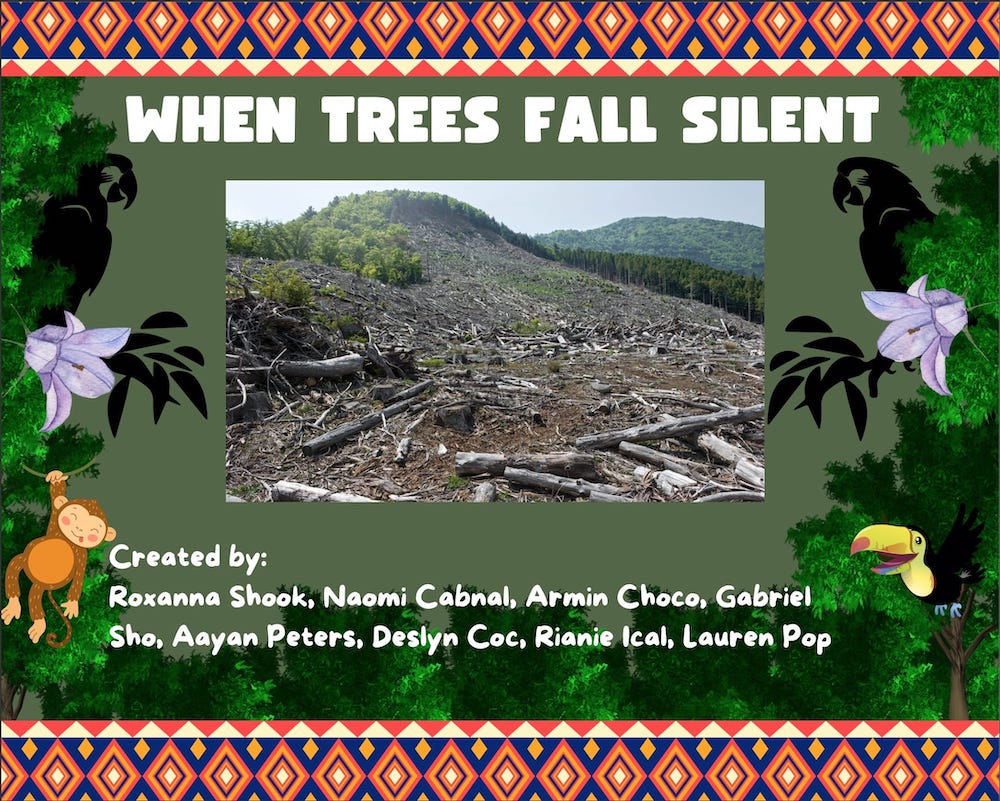
Fifty (50) youths of five indigenous communities attended the Ya’axché Summer Camp under the theme “Empowering Communities, Conserving Biodiversity, Connecting the World”. Participating youths covered concepts on climate change, watershed health and management, protected areas management, and climate-smart agricultural practices. Through hands-on exercises and the use of media technology and gadgets, youths developed skills in conservation storytelling, positioning them to educate, build-awareness and advocate for community-based actions. Stories were developed from brainstorming exercises to identify story types, key messages, and visual ideas, coupled with sessions in photography and videography. Through collective storytelling, youths discussed and shared local experiences and challenges their communities face, and proposed solutions. Ya’axché staff helped participants use professional recording equipment and DSLR cameras to produce videos, photo stories, physical media, and open letters to share their visions for environmental change.
Conservation Stories:
Watershed Health Training
Summer Camp 2025
About LEAF
The Local Engagement and Action Fund (LEAF) is the local development initiatives grant mechanism under the Field Support Service Project- Caribbean (FSSP-C), which is funded by Global Affairs Canada (GAC).
LEAF will support local organizations in eight Caribbean countries to address key developmental issues. The Main objective of LEAF is to strengthen the support provided to organizations working in vulnerable sectors by improving access to financial resources to enhance their mandate.